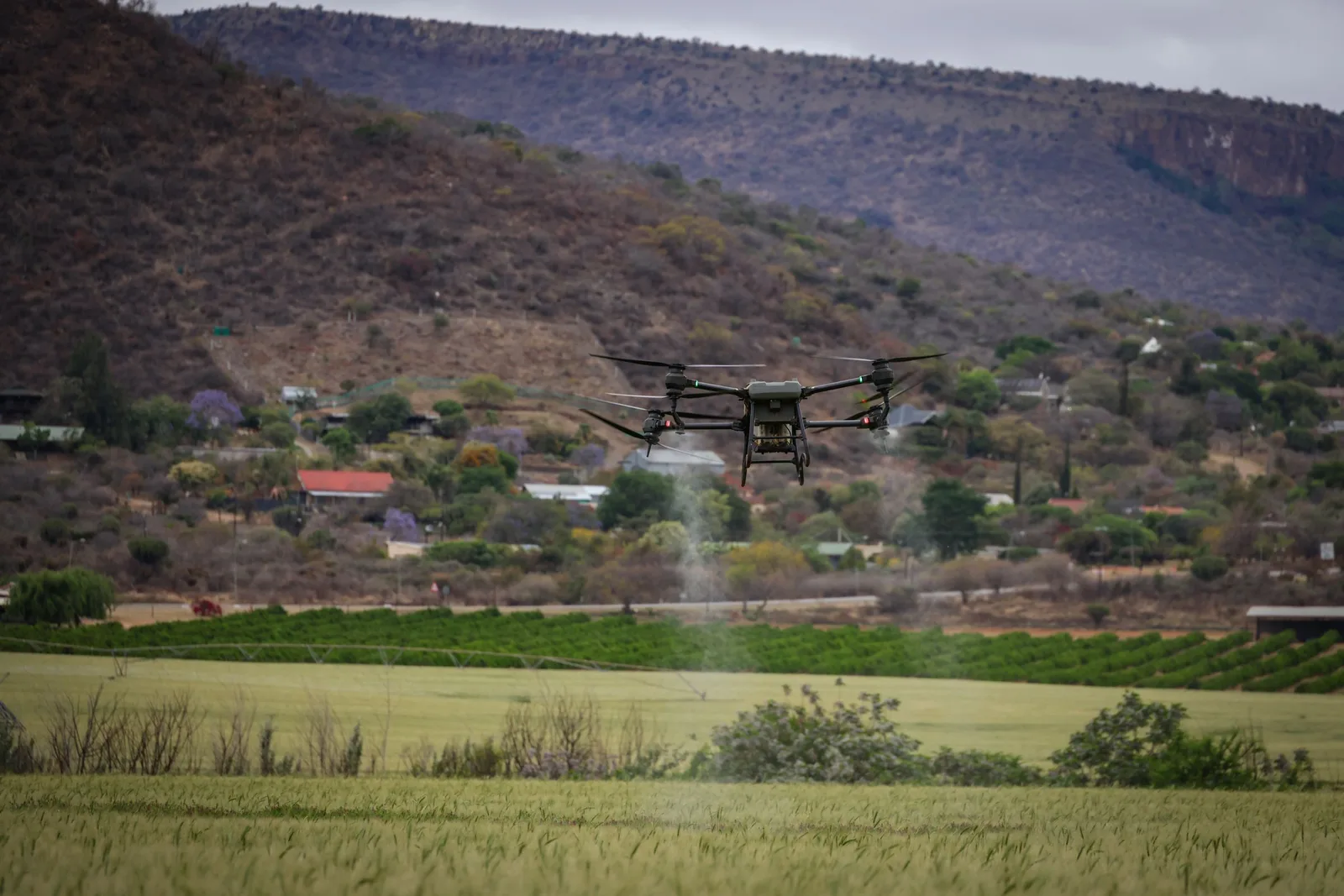
Short version: if you were hoping to put a robotic weeder on a grant application this autumn, this is not that fund. The Farming Futures automation and robotics competition reopened on 3 August 2026 with £20 million, and it pays for developing technology, not buying it. That still matters to you — but as a partner, not as the applicant.
The numbers that decide whether it is for you
Your project's total eligible costs have to sit between £500,000 and £2.5 million, it must run 12 to 36 months, and it has to be a collaboration — a single business cannot apply alone. To lead one, you must be a UK registered business. Applications close at 11:00am on Wednesday 30 September 2026.
Grant covers only part of the cost, and how much depends on your size. For industrial research: up to 70% for micro and small organisations, 60% for medium, 50% for large. Research organisations can claim 100% of eligible costs (academics 80% of full economic costs) but they are capped collectively at 30% of total eligible project costs. Projects must start on the first of a month, by 1 March 2027, and finish by 28 February 2030.
What it actually funds
Practical automation and robotics for real jobs — planting, crop management and harvesting — across agriculture, horticulture (including ornamental plant propagation) and forestry (tree nurseries, woodland monitoring and management systems). Forestry heavy machinery and harvesting operations are excluded. The stated aims are productivity, labour pressure and making everyday tasks more efficient, which is a fair description of where most UK farm automation is stuck right now.
The clause worth knowing if you farm in England
Where a project includes farmers, growers or foresters asking for grant funding, at least 50% of the grant they request between them must go to businesses geographically based in England. In plain terms: consortia need English farm partners, and that is your way in.
How a working farm gets value out of this
Realistically you are not writing a £2m R&D bid around the harvest. What you can do is be the farm in someone else's: trial site, host, the person who tells the engineers why version one does not survive a wet October. If a machinery dealer, ag-tech company or university has approached you about a robotics trial, this competition is very likely why — and being a named partner is how the technology arrives on your ground with someone else carrying the development cost.
Two webinars for applicants were scheduled for 6 and 13 August 2026. If you want the wider context first — what precision technology is actually delivering on UK farms and which funding routes suit a normal business — start with our guide to precision agriculture in the UK.
Read the brief or register interest
Sources
- DEFRA Farming Blog — Apply now for automation and robotics funding (3 August 2026)
- Innovation Funding Service — Competition overview: Farming Futures R&D fund, Automation and Robotics Round 2
This is a summary, not advice. Funding rules and eligibility are set out in the official competition brief — read it in full before committing time or money to a bid.