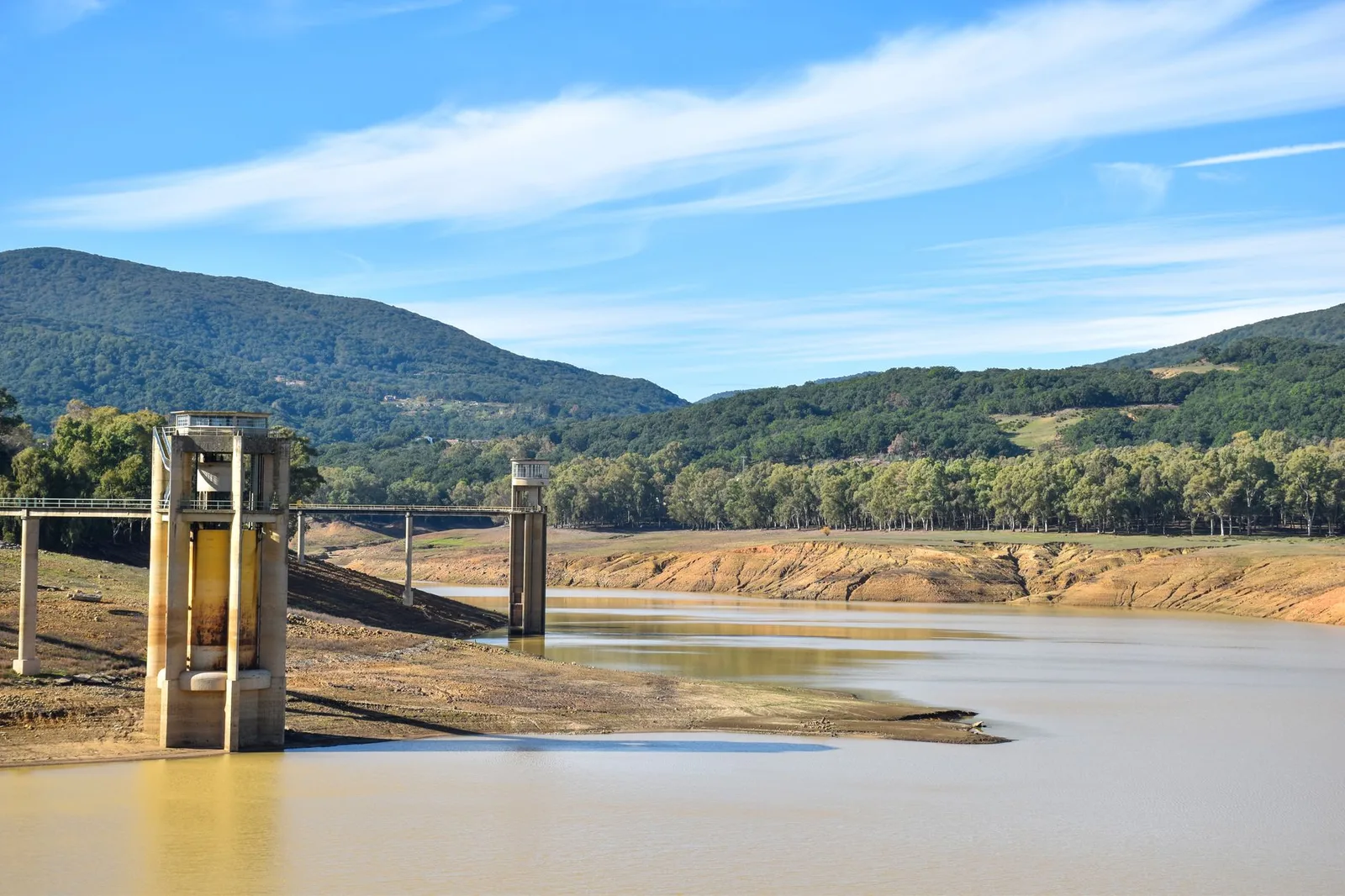
Parts of Cornwall, Devon, Dorset, Somerset, East Sussex and West Sussex have been in severe drought since 15 October. It is the last of the Environment Agency's drought stages, and the government says the South East and South West have just had their driest April to September in over a century. For a farm, the declaration itself does not switch off anybody's licence. What it does is put public water supply first, bring more checks on abstraction, and make the winter refill of farm reservoirs the next worry. Every figure below is from the official pages listed at the end.
What "severe drought" actually is
The Environment Agency manages drought in stages: prolonged dry weather, drought, severe drought, then recovery. In its drought framework, severe drought means "exceptionally low indicators over a long period of time". The possible impacts it lists for this stage include, word for word, "failure of crops or plants and shortage of fodder and drinking water for livestock".
At this stage the Environment Agency moves into category 1 incident response, and water companies switch to their own severe drought plans, whose job is to keep taps running without standpipes or rota cuts. The government says customer supplies will not be interrupted.
What the government did on 15 October
- Public supply comes first. Water Minister Emma Hardy has told the Environment Agency to prioritise public water supplies in the severe drought areas. Where environmental rules get in the way, that lets water companies keep more water in reservoirs that are already low.
- More checks on anyone who abstracts. The Environment Agency will step up compliance checks on businesses that take water from rivers and groundwater, to confirm they take only what they are permitted to. That includes farms that hold abstraction licences.
- Daily monitoring. Water companies have been told to watch reservoir and river levels every day, and local resilience forums are in place in case quick action is needed.
The National Drought Group, which includes the NFU, has met regularly since August. Its next meeting is on 19 October.
Where things stand this week
From the Environment Agency's report for 9 to 15 October:
- Rain: England has had 26% of its normal October rainfall so far. The south east and south west are at 18%, the north west at 41%.
- Reservoirs: 54% full across England, 21% below average for the time of year. Eighteen reservoir groups are under half full and eleven are exceptionally low, among them Ardingly, Clatworthy, Colliford, Wimbleball, Stithians, Chew Valley, Hanningfield, Grafham and Rutland.
- Drought status: Yorkshire moved into drought on 9 October. Ten Environment Agency areas are now in drought (East Anglia; Hertfordshire and North London; Thames; Devon, Cornwall and the Isles of Scilly; West Midlands; Kent and South London; Solent and South Downs; East Midlands; Lincolnshire and Northamptonshire; Yorkshire), with parts of Wessex; Devon, Cornwall and the Isles of Scilly; Solent and South Downs; and Kent and South London in severe drought.
Abstraction: the numbers for farms
- 449 restrictions on abstraction licences are in force, down from 767 in the report to 1 October.
- 1,383 voluntary restrictions are in place, each cutting abstraction by 50%, spread across the Thames, Wye and Severn catchments.
- Formal Section 57 restrictions remain in parts of East Anglia until 31 October.
- The Environment Agency has had 42 flexible abstraction requests from agriculture so far.
The line in the report that matters most for next year: there are "growing concerns that farmers may not be able to refill water storage reservoirs over the winter", because reservoir levels are exceptionally low and river flows are below normal, particularly in central and southern England. The Environment Agency says this could affect water for the 2027 irrigation season, and that some farmers are already considering planting smaller irrigated areas, particularly high-value vegetables.
The early-fill window is still open. Under RPS 382, if your licence authorises filling a reservoir for spray or trickle irrigation, you can abstract outside your authorised period until 31 October, as long as you email the Environment Agency first and stay within its conditions. Two groups of catchments are excluded. Our article of 4 October sets out every condition.
Mains water: hosepipe bans and the next step
Temporary use bans are in force across Affinity Water (Central and East), Anglian Water (except Hartlepool), Bristol Water, Cambridge Water, Essex & Suffolk Water, Southern Water (Hampshire and the Isle of Wight), South East Water, South West Water (except Bournemouth), Thames Water and Wessex Water. These restrict some uses of mains water, such as hosepipes.
The next step goes further. South East Water applied on 2 October and South West Water on 6 October for drought orders allowing a non-essential use ban. A non-essential use ban lets a water company prohibit or limit some uses of water by its non-domestic customers, which can include businesses; the uses it can cover are set out in the Drought Direction 2011. Both were still listed as applications in the Environment Agency's report to 15 October.
If your livestock drink from a spring or borehole with no mains connection, the Environment Agency's framework says to contact your water company about an alternative supply, to have a contingency plan in place, and to keep testing the borehole's water quality.
Slurry and manure this autumn
The same report asks farmers to check ground and weather conditions before spreading organic manures, including slurries.
Dates for the calendar
- 19 October: the National Drought Group meets.
- 31 October: the RPS 382 early-fill window closes, and so do the Section 57 restrictions in East Anglia.
- 1 November: the normal winter abstraction season begins.
To see how dry your own ground is against the 1991–2020 normal, our rainfall tracker works from your postcode. It is free and needs no account.
Sources
- GOV.UK — Government activates plan to protect consumers as severe drought declared in parts of England (15 October 2026)
- Environment Agency — Dry weather and drought in England: 9 to 15 October 2026
- Environment Agency — Drought: how it is managed in England (the drought stages, and the advice for farmers and growers)
- Environment Agency — Abstraction outside the authorised period for filling water storage reservoirs: RPS 382
This is a summary, not advice. Drought status, restrictions and position statements change week by week, so check your own licence conditions and your water company's notices before acting.