The UK-EU food and farming deal: what changes on your farm from 1 March 2028, and what doesn't change yet
The UK and the EU agreed on 20 November 2026 that Great Britain will apply EU rules on food, feed, plants, animals and pesticides from 1 March 2028, subject to UK and EU procedures. Nothing changes today and nothing changes for the 2027 growing season. What Defra has said so far about pesticides and their use-up dates, ear tags and animal records, antimicrobials, creosote and organics, and when the detailed guidance arrives.
The short version: the rules you farm under today stay in place until 1 March 2028. At the UK-EU summit on 20 November 2026 the two sides agreed a Sanitary and Phytosanitary (SPS) Agreement. From 1 March 2028, subject to UK and EU procedures, Great Britain will apply EU rules on animal health, plant health, food and feed safety, animal welfare, organics, marketing standards, pesticides and biocides. Defra's own words to farmers are to continue to follow current UK requirements until new guidance and legislation take effect, and for pesticides it says there are no changes in the 2027 growing season.
This is not only about exporters. Defra's page on the agreement says the rules will change for anyone working with food, animals or plants in Great Britain, "even if you're not involved in international trade".
Defra published a first round of guidance on 20 November. A lot of it says "further information will be provided". The sector explainers for arable, ornamental horticulture, edible horticulture, livestock, poultry and pigs are planned for March to April 2027, and the legislation still has to go before Parliament. So below is what Defra, the HSE and the Veterinary Medicines Directorate have actually written, with the dates where they gave one. Where a detail isn't settled, we say so.
What gets easier if you sell into the EU
Export Health Certificates will no longer be needed for most goods moving between Great Britain and the EU. The government puts the saving at up to £200 per certificate.
Phytosanitary certificates go for plants and plant products, which the government says saves around £25 per certificate and at least £127.60 per load in inspection fees.
Routine SPS border checks on goods such as dairy, fish and meat end.
The EU market reopens for seed potatoes, fresh sausages, burgers and molluscs.
EU plant passports replace GB plant passports, and OECD certification is no longer needed to market seed between Great Britain and the EU.
Most paperwork and checks on agri-food goods, plants and used farm machinery moving from Great Britain to Northern Ireland go too.
Two things stay: customs controls, and Great Britain's ban on exporting livestock and horses for slaughter or fattening. Defra's guidance says plainly not to plan or enter into arrangements for those exports.
Pesticides: the four groups and their dates
This is the part with the firmest dates. From 1 March 2028 Great Britain follows EU decisions on which active substances are approved and on maximum residue levels (MRLs). The HSE and Defra guidance sorts every product into one of four groups:
Group
Which products
Last day of sale
Last day of use, storage and disposal
1
Products with cinmethylin, pydiflumetofen or isoflucypram, approved in GB and still waiting for an EU decision
Stay on the GB market until the EU decides. If the EU approves the substance, the GB authorisation is checked like group 3 and 4 products; if it refuses after 1 March 2028, the authorisation is withdrawn within 3 months of that decision, and if it refuses before, the group 2 dates apply from the decision
2
Active substance approved in GB but not in the EU
1 June 2028
1 December 2028
3
Active substance approved in the EU, but the GB authorisation doesn't meet EU requirements (a use the EU restricts, a co-formulant the EU bans, or residues above the EU MRL)
1 December 2028
1 December 2029
4
Active substance approved in the EU and the GB authorisation already meets EU requirements
No change: keep following the label
The catch is that the guidance itself says you may not be able to tell whether a product is in group 3 or group 4 until the HSE has checked it. The HSE will check existing GB authorisations against the EU requirements and says it will talk to the sector in early 2027 about how; until then, its guidance says "no action is recommended" for group 3. If a product is withdrawn, the guidance asks you to dispose of any stock you can't use within the period, and says using it afterwards would be unlawful.
Three more points from the same guidance:
Crops already treated can still be sold in GB. Produce grown in line with today's GB rules before the end of the relevant period can be harvested and sold on the GB market, including crops still in the ground, as long as it meets the GB MRL that applied just before 1 March 2028. Produce that doesn't meet EU requirements must not be exported to the EU, and the guidance asks you to keep it out of EU and Northern Ireland supply chains.
EU treated seed. The temporary arrangement that lets you sow EU treated seed in Great Britain ends on 1 July 2027. Between then and 1 March 2028 only treated seed approved for use in GB can be used.
Emergency authorisations remain available after March 2028. EAMUs (extensions of authorisation for minor use), which many horticultural crops rely on, may be affected.
If a withdrawn product is ever used by mistake, the guidance treats it as unlawful and asks you to stop, check its status and log the incident: product name and MAPP number, active substances, date and place, crop and growth stage, rate, area, operator and quantity.
Defra lists changes for anyone who keeps pigs, cattle, sheep, goats, kept deer, camelids, poultry and captive birds, bees and fish, whether as a business or a hobby. The smallholder guidance is clear that responsibilities depend on the animals and the activity, not the size of the holding. What it has said so far, species by species:
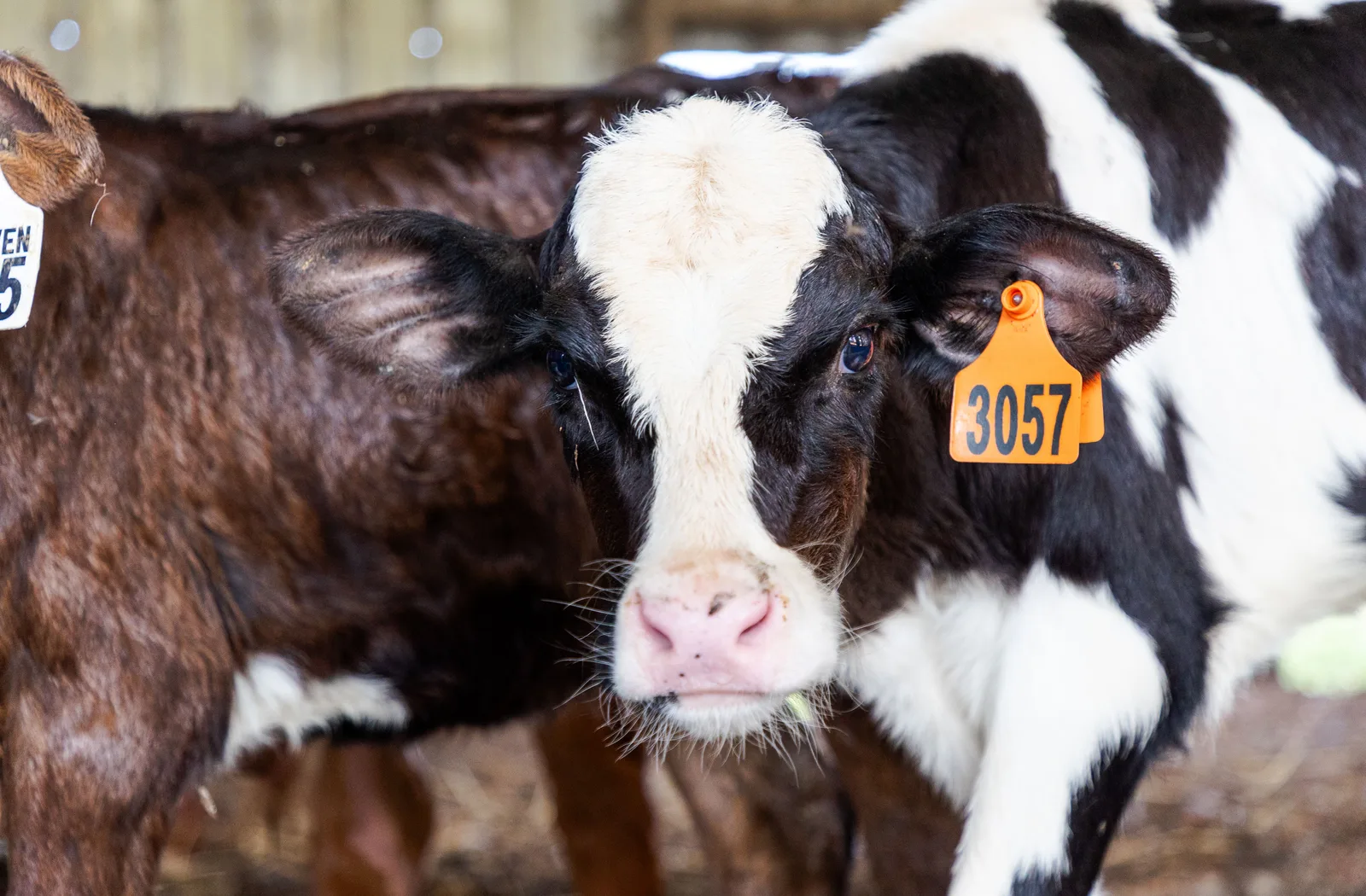
Cattle: every place where cattle are kept must be registered, with more information about the premises. In England, newborn calves will need Bovine Electronic Identification (BeID) tags (low frequency), and the identification code changes format. Defra's advice on tags: keep using current ones, and only buy tags you will use by 1 March 2028.
Sheep and goats: only minor changes to identification, record keeping and movement reporting. Animals may only move between correctly registered or approved places, unless an exemption applies.
Pigs: permanent identification before a pig leaves its place of birth or by 9 months of age. Paint marks will no longer be enough for some movements, and births and deaths must be recorded.
Camelids and kept deer: registration and identification become mandatory, by 9 months of age or before leaving the place of birth, whichever comes first.
Poultry and captive birds: registration covers more places, and still includes backyard flocks of fewer than 50 birds.
Some holdings will get planned animal health or biosecurity visits under EU Animal Health Law. Their scope, frequency and who pays for them are still being worked out.
Medicines, feed and creosote
Antimicrobials. The VMD's guidance says EU rules on metaphylactic and group prophylactic use will apply. Antimicrobials on the EU list kept for certain infections in humans will not be allowed in animals, including under the prescribing cascade. How medicines are authorised is not part of the agreement.
Medicated feed. From 1 March 2028, vets in Great Britain will no longer be able to prescribe medicated feed containing an antimicrobial for preventive use.
Residues. GB will use EU maximum residue limits for veterinary medicines in food and take part in the EU's extra random residue sampling, so some more sampling will be done here.
Feed. EU feed additive authorisations replace the GB ones, and the EU Catalogue and Register of Feed Materials replace the GB register.
Creosote. After 1 March 2028 it is only allowed on railway sleepers and on utility poles for electricity or telecoms, and no longer on safety-critical fencing. Existing creosote products that don't meet EU requirements can be sold in Great Britain until 30 November 2028 and used until 30 June 2029. Treated articles that don't meet EU rules, such as safety-critical fencing treated with creosote, can't be placed on the market after 31 August 2028; those already in the supply chain before then can still be sold and used in Great Britain. Rodenticides and disinfectants are biocides too, and Defra's biocide guidance explains how to check a product.
Organics. Every organic farmer and grower in the UK will follow the relevant EU organic rules, whether or not they trade with the EU, and organic labels will carry the EU organic logo. Details are in the organics guidance.
December 2026: a Defra webinar on what the agreement means for your business.
Early 2027: the HSE talks to the sector about its checks on pesticide authorisations.
March to April 2027: sector explainers for arable, horticulture, livestock, poultry and pigs.
1 July 2027: the temporary arrangement for EU treated seed ends.
1 March 2028: the agreement applies, subject to UK and EU procedures.
What Defra asks you to check now
Defra's guidance for farmers and growers lists a few things it asks keepers and growers to do now, none of which changes a rule today:
make sure holding details, flock and herd records and identification records are accurate and up to date, and that you know how to report a movement;
ask your supplier or agronomist whether any product in your spray programme contains an active substance not approved in the EU, and avoid over-stocking it;
This is a summary of the government's guidance as published on 20 November 2026, not advice. The legislation still has to be made, and the guidance and regulators decide what applies to your business.
How useful was this article?★★★★★
Be the first to rate this
Hear about funding before it runs out
Grant windows close fast — Capital Grants 2026 was 75% allocated within three days of opening. Get an email the day a window opens or a deadline moves, plus new free tools as we launch them.